
This weekly brief connects verified public market developments to the questions commercial energy buyers may want to watch. It does not replace account-specific supplier pricing, utility reference rates, or the ZEN Market Monitor Shopping Signal.
Electricity Market Watch
Texas remained a demand-focused market theme this month. The U.S. Energy Information Administration reported that ERCOT weekly average electricity load remained near record levels in late August after sustained high temperatures. For commercial buyers, the relevant takeaway is not a prediction about future retail pricing; it is that demand growth and system conditions remain important context when evaluating contract timing and load exposure.
PJM also reported a September 23 filing at FERC concerning its proposed Interim Resource Adequacy Service and Large Load Registry. Resource-adequacy and large-load policy can affect the capacity and reliability framework behind commercial electricity procurement across the PJM footprint.
View the PJM filings and orders source
Natural Gas Watch
EIA reported that summer Henry Hub spot prices averaged below the same period last year despite hot weather. EIA cited record natural-gas production, ample inventories, added renewable generation, and LNG-terminal maintenance among the factors that limited upward pressure.
For a commercial buyer, Henry Hub is market context — not an executable supplier rate. The useful question is how wholesale conditions compare with the business's contract timing, utility territory, usage profile, and qualified supplier options.
Regional Developments
New England natural-gas basis has also been notable. EIA reported unusually weak Algonquin Citygate pricing relative to Henry Hub during spring and summer, supported by Appalachian and Canadian supply and lower regional consumption.
That condition is relevant to New England gas procurement and gas-fired power economics, but summer basis should not be assumed to persist through winter. Commercial buyers should continue to separate regional wholesale indicators from account-specific supplier pricing.
View the EIA New England source
What Changed
- Natural-gas market context remained comparatively softer through the summer at Henry Hub.
- ERCOT demand stayed elevated, keeping load growth and reliability planning in focus.
- New England gas basis remained unusually weak during the reviewed spring/summer period.
- PJM resource-adequacy and large-load policy continued to develop through formal filings.
What Commercial Buyers Should Watch
The common thread is timing plus account context. Public market developments can explain the environment, but they do not determine whether a business should sign a contract, switch suppliers, or accept a particular term.
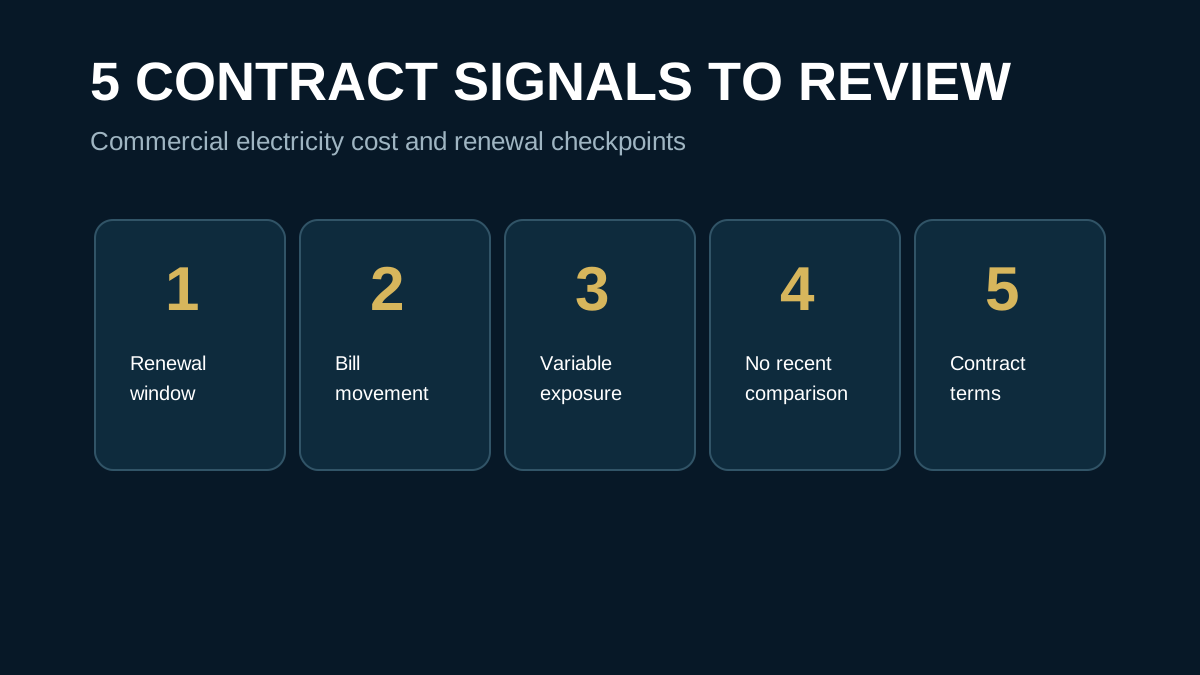
A useful procurement review should still answer:
- Which utility and rate class serve the account?
- What is the current supplier contract and expiration date?
- What does the usage or load profile look like?
- Which qualified supplier options are actually available to the account?
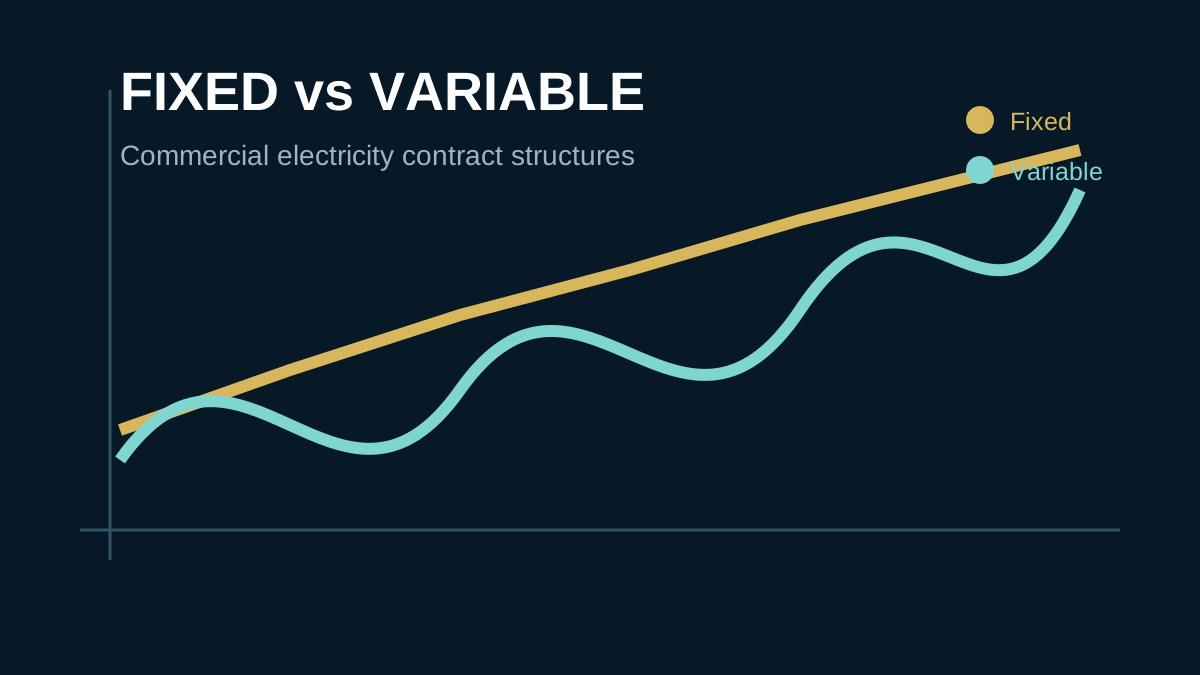
- How do term, product structure, start date, and renewal provisions compare?
Source Notes
This brief uses approved primary public sources and original Zen Energy summaries. Zen does not republish full third-party articles. Source publication dates and direct primary-source links are retained so readers can verify the underlying development.
For market-by-market context, use ZEN Market Insights. For an account-specific procurement review, request supplier pricing.